
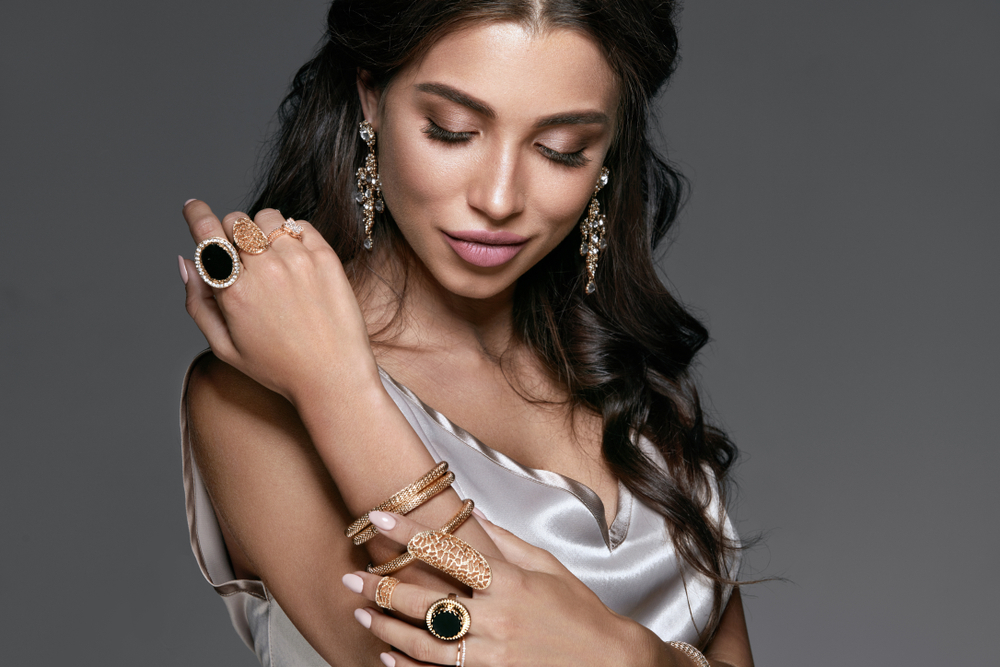
In modern professional environments, clothing sets the baseline of your wardrobe, but accessories define the execution. The right details elevate a standard suit or a minimalist business-casual outfit into a sharp, intentional look. Conversely, poorly chosen or overly distracting items can undermine an otherwise impeccable outfit.
Navigating professional dress codes requires balancing personal style with workplace expectations. The goal is to choose pieces that add value, structure, and subtle sophistication without drawing attention away from your performance and presence. This guide breaks down the essential accessories for professional and office wear, detailing how to select, pair, and maintain them for a highly polished workspace image.
The Foundation of Professional Timepieces
A watch is often the most significant accessory a professional can wear. In an office setting, a timepiece functions as both a tool for punctuality and a subtle statement of attention to detail.
Classic Leather Strap Watches
For formal business attire, a slim, analog watch with a leather strap remains the gold standard. The metal of the watch case should match the other metals in your outfit, such as your belt buckle or cufflinks.
- Strap Selection: Stick to smooth or lightly grained leather in dark brown, black, or tan. The color of your watch strap must align with your shoes and belt.
- Dial Design: Keep the dial clean and minimalist. Roman numerals, simple indices, and white, silver, or black faces are highly versatile.
- Case Profile: Opt for a thin case that slips easily under the cuff of a dress shirt without catching.
Metal Bracelet Watches
Stainless steel or precious metal bracelet watches work exceptionally well in business-casual and smart-casual environments.
- Versatility: A silver-toned stainless steel watch pairs effortlessly with cool-toned clothing like navy, gray, and black.
- Oyster or Jubilee Bands: These classic link styles offer a structural, architectural look that complements tailored blazers.
- Avoid Oversized Divers: While sports watches are popular, avoid oversized digital interfaces or chunky diving watches with bright, neon accents in formal meetings.
Footwear as a Professional Anchor
Shoes are the literal and figurative foundation of office attire. High-quality footwear directly influences how tailored trousers or skirts drape, making it a critical investment area.
Traditional Oxfords and Derbies
For traditional corporate settings, lace-up leather shoes are non-negotiable.
- Oxfords: Characterized by a closed lacing system, Oxfords are the most formal option. A cap-toe Oxford in black or dark espresso brown pairs perfectly with worsted wool suits.
- Derbies: Featuring an open lacing system, Derbies offer slightly more room across the instep and lean toward the smart-casual side, pairing beautifully with chinos and separates.
Loafers and Monks
As office cultures lean more casual, slip-on styles have secured a permanent spot in professional wardrobes.
- Penny Loafers: A timeless option in calfskin or suede that bridges the gap between casual comfort and tailored sharp.
- Bit Loafers: Featuring a metal hardware strap across the vamp, these add a subtle touch of hardware to an outfit. Keep the metal tone consistent with your watch.
- Monk Straps: Single or double monk strap shoes use buckles instead of laces, providing a distinct, contemporary edge to traditional suiting.
Professional Bags and Briefcases
How you transport your laptop, documents, and daily essentials tells a story about your organization and professionalism. Backpacks, while highly functional for commutes, should be replaced by structured bags for client-facing roles or formal meetings.
Leather Briefcases
The modern briefcase is slim, structured, and free of excessive exterior pockets.
- Material: Top-grain or full-grain leather ensures longevity and develops a graceful patina over time.
- Color: Stick to black, deep chocolate brown, or classic oxblood.
- Interior Functionality: Look for dedicated padded compartments for laptops, internal tracking for pens, and minimal external hardware to keep the silhouette sleek.
The Professional Tote
For a modern, highly functional alternative, a structured leather tote bag offers excellent utility without sacrificing aesthetics.
- Shape: Look for north-south or east-west geometric shapes that stand upright on their own when placed on a desk or floor.
- Handles: Ensure the straps are reinforced and long enough to comfortably fit over a winter coat without pinching the shoulder.
Belts and Small Leather Goods
Small details tie an entire ensemble together. The interaction between your belt, wallet, and writing instruments signals a high level of personal discipline.
Belt Guidelines
The rule of leather matching is foundational: your belt must match the color and finish of your shoes.
- Width: A professional dress belt should be between 1.25 and 1.5 inches wide. Anything wider leans into casual or western wear.
- Buckle: Opt for a simple, low-profile frame buckle in brushed silvertone or muted goldtone. Avoid large logos or highly polished plaques.
Wallets and Cardholders
Bulky pockets destroy the clean lines of tailored trousers and suit jackets.
- Slim Card Cases: Ditch the overstuffed bifold wallet for a slim leather cardholder that carries only the essentials: two credit cards, an ID, and minimal cash.
- Placement: Carry your wallet in your breast pocket or inside a bag to prevent asymmetrical pulling on your pants.
Ties, Squares, and Neckwear
When formal business dress is required, neckwear and pocket details provide the ideal opportunity to introduce subtle color and texture.
Selecting the Right Tie
A tie should complement the lapel width of your suit jacket and the scale of your shirt collar.
- Fabric: Silk remains the standard for formal wear, while matte wool or silk-linen blends add excellent texture to seasonal business-casual outfits.
- Patterns: Stick to solid colors, subtle micro-dots, repp stripes, or small neat patterns. Avoid loud, conversational prints or high-gloss finishes.
- Width: A standard modern width is between 3 and 3.25 inches.
The Understated Pocket Square
A pocket square should never perfectly match your tie in pattern or fabric. Instead, it should complement a secondary color found in your shirt or tie.
- The Presidential Fold: A crisp, white linen square folded into a clean rectangle is universally appropriate.
- The Puff Fold: Silk squares with rolled edges can be gently puffed into the pocket to soften a rigid suit configuration.
Jewelry and Hardware
In professional wear, jewelry should be minimal, functional, and deeply integrated into the outfit rather than serving as a focal point.
Cufflinks and Tie Bars
These structural metal pieces add control and refinement to formal suiting.
- Cufflinks: Use them exclusively with French cuff shirts. Sterling silver, onyx, or mother-of-pearl inserts offer an elegant, timeless appearance.
- Tie Bars: A tie bar serves a functional purpose by anchoring your tie to your shirt placket. Position it between the third and fourth buttons of your shirt. It should never be wider than the tie itself.
Minimalist Necklaces and Rings
- Rings: Wedding bands and simple, understated signet rings are completely appropriate. Avoid large, gemstone-heavy fashion rings on multiple fingers.
- Necklaces: Keep chains thin and hidden beneath the collar or neckline of your shirt rather than resting on top of fabrics.
Eyewear and Optical Framing
If you wear prescription glasses daily, your frames are arguably your most visible accessory. They sit directly in the line of sight during conversations, interviews, and presentations.
Frame Shapes and Face Structures
- Professional Geometry: Classic shapes like structural rectangles, soft aviators, or round acetate frames convey intelligence and focus.
- Color Palette: Muted tortoiseshell, matte black, clear crystal, and thin titanium frames integrate seamlessly with professional clothing. Avoid bright neon frames or overly dramatic cat-eye shapes in highly conservative industries.
Frequently Asked Questions
Can I wear a smartwatch to a formal business presentation?
Yes, you can wear a smartwatch to formal presentations, provided you adjust the aesthetic. Swap out plastic or silicone sport bands for a high-quality stainless steel link bracelet or a dark leather strap. Additionally, select a clean, analog-style digital face configuration and turn off vibrating notifications to ensure you remain fully engaged and avoid distracting others during the meeting.
How do I match accessories when wearing navy or gray suiting?
Navy and gray suits are highly versatile. For navy suits, dark brown, cognac, or oxblood leathers create a warm, classic contrast. For gray suiting, black leather provides a sharp, traditional look, while dark brown softens the overall appearance. Ensure your watch strap, belt, and shoes all share the same color family, and keep your metal hardware, such as belt buckles and watch cases, uniform.
Is it acceptable to skip socks in a modern corporate office?
Skipping socks or wearing visible no-show socks is common in casual summer environments, but it remains inappropriate for formal or traditional corporate settings. If your workplace enforces a business professional or strict business casual dress code, always wear mid-calf dress socks that match the color of your trousers to maintain a continuous, uninterrupted line down your leg.
How many pieces of jewelry can I wear at once in the office?
A reliable standard for professional environments is the rule of three. Limit your visible jewelry to three primary pieces at any given time. For example, this could include a classic wristwatch, a wedding band, and a subtle pair of earrings or a tie bar. Keeping your hardware edited prevents your accessories from competing with each other or creating visual clutter.
What is the correct way to store professional leather bags to maintain their shape?
To preserve the structure of leather briefcases and totes, never store them empty or hang them by their straps for extended periods, as this stretches the leather out of shape. Stuff the interior with acid-free tissue paper or bubble wrap when not in use, store them upright on a shelf, and place them inside a breathable cotton dust bag to shield the material from sunlight and moisture.
Can suede shoes be worn as part of a professional wardrobe?
Suede shoes are excellent for business casual and smart casual offices. A pair of dark brown suede loafers or Chelsea boots adds sophisticated texture to tailored chinos, flannel trousers, or dark denim. However, suede should generally be avoided in strict, black-tie, or highly formal board-room settings where polished calfskin leather remains the expected protocol.