
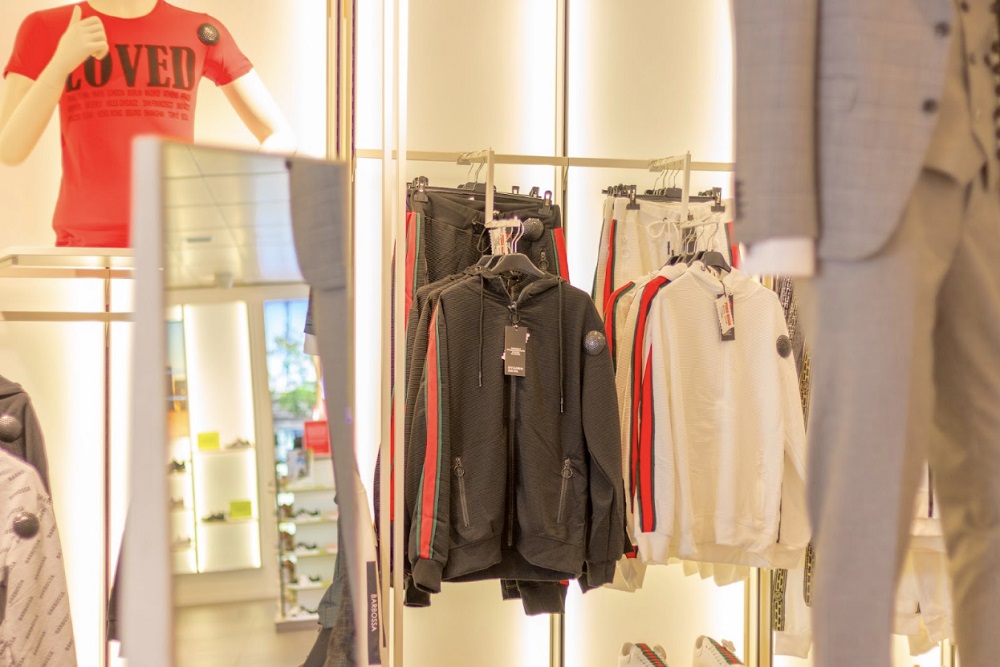
In the global retail sector, inventory management is a delicate operational balance. Predicting precise consumer demand months in advance across various sizing, color, and geographic metrics is nearly impossible. When a brand overestimates demand, it faces a significant financial challenge: excess inventory. Holding unsold goods locks up working capital, fills expensive warehouse space, and drives up overhead costs.
To solve this issue, major apparel, footwear, and consumer goods corporations rely heavily on outlet stores. Far from being a mere secondary sales channel, the modern outlet division serves as a critical asset for supply chain optimization. By acting as a dynamic release valve for excess inventory, outlet stores enable corporations to clear warehouse space, preserve brand equity, stabilize cash flow, and gather valuable consumer data.
The Financial Burden of Stagnant Warehouse Inventory
To understand the strategic value of an outlet store, one must first look at the backend costs of retail stagnation. When a product fails to sell at a primary flagship boutique or via e-commerce platforms, it becomes dead stock.
- Holding Costs: Storing inventory involves considerable expenses, including warehouse rent, utilities, security, and labor. The longer an item sits on a pallet, the less profitable it becomes.
- Capital Imprisonment: Money tied up in unsold winter coats or last season’s footwear cannot be reinvested into designing, manufacturing, or marketing the upcoming season’s collections.
- Depreciation Risks: Consumer goods, particularly fashion and technology, lose value rapidly. Mold, dust, changes in trends, and seasonal shifts render older inventory completely unsellable if it is not moved quickly through an efficient secondary market channel.
Preserving Mainline Brand Equity Through Channel Separation
When a high-end or luxury brand accumulates too many unsold goods, the most obvious solution might seem to be cutting prices dramatically at their primary retail storefronts. However, doing so introduces severe long-term risks to the brand’s premium image.
The Danger of Brand Dilution
If consumers notice that a luxury brand frequently slashes prices by fifty or sixty percent in its primary boutiques, their psychological perception of the brand changes. They stop buying items at full price, choosing instead to wait for the inevitable markdown cycle. This behavior permanently devalues the brand’s core offerings.
The Strategic Firewall
Outlet stores provide a physical and psychological barrier that protects a brand’s prestige.
- Geographic Isolation: By placing outlet centers along distant highway corridors, away from high-end downtown shopping districts, brands prevent their primary customer base from witnessing deep discounting.
- Targeting Diverse Demographics: Channel separation allows a parent company to capture revenue from highly price-sensitive shoppers without alienating affluent clients who value exclusivity and pay full retail price for the latest collections.
The Operational Mechanics of the Secondary Supply Chain
The transition of inventory from a primary retail location to an outlet facility is a highly structured, automated process governed by corporate supply chain software.
The Liquidation Lifecycle
- Boutique Stagnation: A seasonal item spends a predetermined window, usually six to twelve weeks, at a full-price boutique.
- The Automated Pull Request: If sales data reveals the item has dropped below a specific performance threshold, the corporate inventory management system triggers an automated pull request.
- Central Consolidation: Unsold pieces are gathered from regional stores, shipped back to a central fulfillment warehouse, scanned for damage, re-ticketed with outlet pricing, and distributed directly to the outlet network.
The Reverse Logistics Asset
Rather than selling overstock to third-party discount retailers and off-price department stores, operating a proprietary outlet network allows a brand to keep its reverse logistics completely internal. This gives the parent company full control over how its merchandise is displayed, lit, packaged, and priced, maintaining corporate standards even during final clearance phases.
Compensating for Unpredictable Sizing and Color Asymmetry
One of the most persistent issues in retail manufacturing is size and color asymmetry. A clothing line may sell out completely in medium and large variants, while leaving an abundance of extra-small or double-extra-large garments completely untouched.
Balancing the Distribution Curve
Flagship boutiques cannot afford to dedicate valuable floor space to garments available only in extreme sizes or less popular colorways. Doing so makes the store look disorganized and picked over.
- High-Density Merchandising: Outlet stores are built to handle high-density inventory presentation. They use long clearance walls and dense circular racks designed for sorting through varied sizes.
- The Sifting Ground: Excess sizes from hundreds of individual boutiques are combined at the outlet level, turning fragmented stock into a varied shopping ground where consumers expect to search for their exact fit.
Generating Live Consumer Insights and Iterative Test Data
Modern corporate supply chain managers do not treat outlet centers merely as digital dumps for dead stock. Instead, they view these high-volume retail hubs as active testing laboratories for consumer behavior.
Price Elasticity Verification
Because outlet centers attract highly price-sensitive shoppers, brands can test different pricing points in real time to see exactly where demand increases. This provides data that can be used to optimize pricing structures for future mainline collections.
Material and Silhouette Testing
If a brand is considering introducing a new fabric blend or a modified jacket cut for the upcoming fiscal year, it will often produce a limited run and place it quietly on outlet shelves. By analyzing how quickly these experimental pieces sell without any formal marketing campaigns, corporate planners gain clear data on consumer preference, reducing the financial risk of subsequent full-scale production runs.
Frequently Asked Questions
What happens to corporate inventory that fails to sell even at the outlet level?
When merchandise remains unsold after extended clearance cycles at an outlet store, it is typically packed up and sold in bulk to third-party global liquidators or off-price exporters. These entities distribute the goods to deep-discount stores or secondary international markets. As a final resort, if items are damaged or unusable, brands partner with textile recycling firms to shred the fabrics for industrial use, minimizing land-fill waste.
How do made-for-outlet products help corporate supply chains manage production capacity?
Made-for-outlet product lines allow brands to keep their contracted manufacturing facilities running steadily during traditional off-peak production seasons. By shifting factory focus to simplified outlet designs when mainline orders are low, brands maintain lower production costs per unit across all facilities, retain skilled labor forces, and ensure a steady stream of predictable margin revenue throughout the calendar year.
Why do some brands limit the amount of authentic boutique stock sent to outlets?
Brands strictly limit the flow of authentic flagship stock to outlets to keep their primary stores properly supplied and avoid creating an over-reliance on discounts. If an outlet store becomes filled with too many authentic luxury items, it can cannibalize full-price boutique sales. Maintaining a precise mix of made-for-outlet pieces alongside a smaller number of boutique clearance items preserves the equilibrium of both retail models.
How does e-commerce integration alter how outlet inventory is managed?
Modern omni-channel inventory systems treat physical outlet stores as localized micro-fulfillment hubs. If an online shopper purchases a past-season jacket from a brand’s clearance webpage, the corporate software scans regional outlet inventory. The item is often picked, packed, and shipped directly from the nearest outlet store floor, lowering shipping costs and accelerating inventory turnover.
Are outlet stores highly profitable for major brands, or do they just cover operational costs?
Proprietary outlet divisions are frequently among the most profitable arms of a major retail corporation. Because outlets operate with lower real estate costs, reduced marketing budgets, and higher volume turnover, their operational margins are remarkably efficient. The combination of liquidating dead stock and selling high-margin, made-for-outlet goods generates significant cash flow for parent companies.
How do seasonal weather changes impact the movement of inventory to outlets?
Unpredictable weather directly impacts retail inventory lifecycles. For instance, an unusually warm winter leaves full-price boutiques with an overabundance of heavy wool coats in January. To clear space for incoming spring dresses, corporate managers accelerate the markdown timeline, sending winter stock to outlet stores far earlier than originally planned to clear warehouse space immediately.