
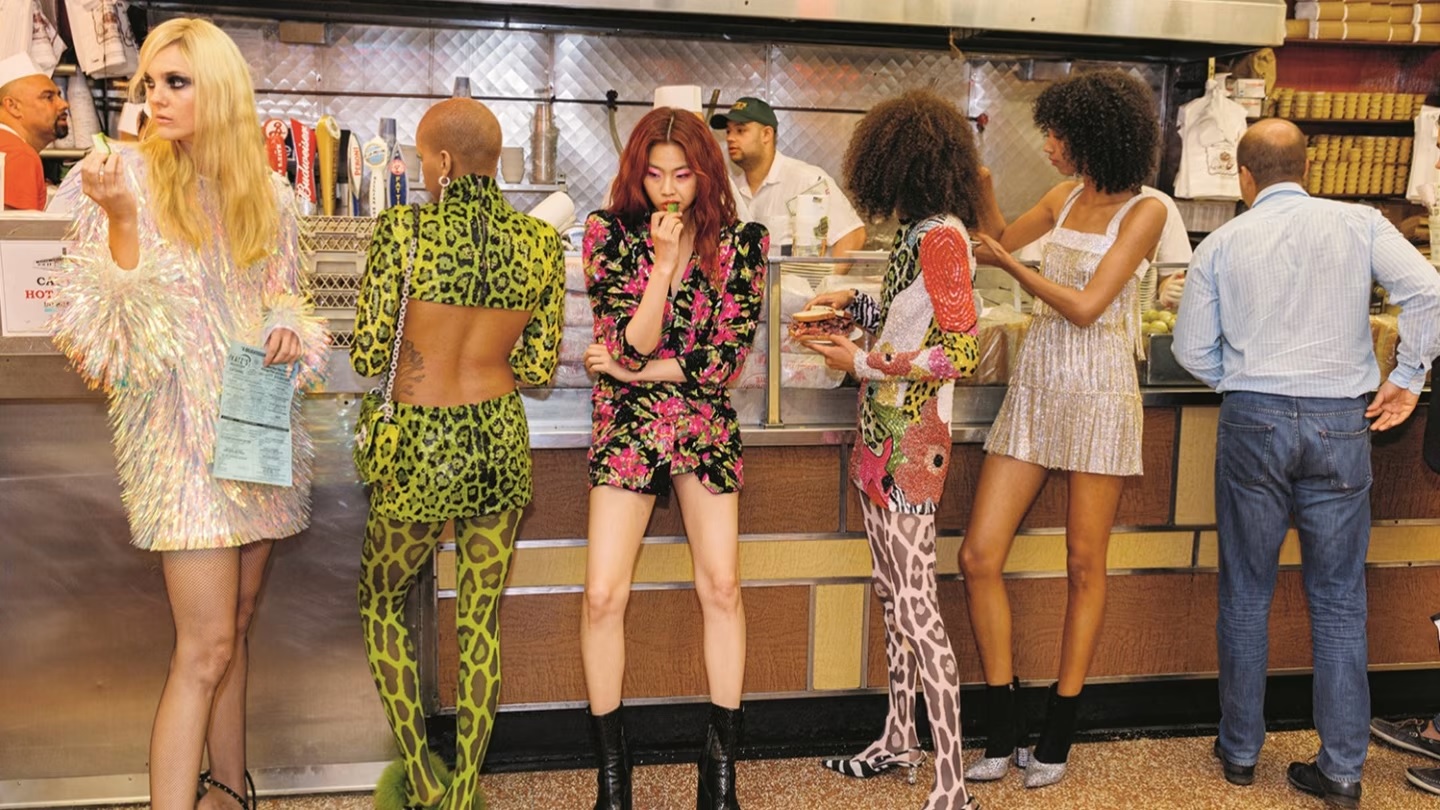
Clothing is more than a mere necessity—it is a form of self-expression, an extension of one’s identity, and a mirror reflecting the time, place, and culture in which we live. From the simple function of protecting the body from the elements to the intricate narratives woven into every fabric, clothing plays a multifaceted role in our daily lives. In this exploration of clothing, we will delve into its cultural significance, the evolution of fashion, and its psychological impact on individuals and society.
The Cultural Significance of Clothing
Throughout history, clothing has always held symbolic meaning beyond its practical purpose. In many cultures, the attire worn by an individual signifies not only their social status but also their cultural identity. Traditional garments such as the Japanese kimono, the Scottish kilt, and the Indian sari are all representative of cultural heritage and pride. These garments often embody centuries of craftsmanship, belief systems, and social structures, passed down through generations.
In the modern world, clothing continues to play a pivotal role in defining cultural and societal boundaries. Uniforms, for example, serve as a symbol of conformity and order, while also denoting the profession, rank, or role of an individual. In military settings, uniforms can be a matter of national pride and identity, while in the corporate world, the attire one wears can influence perceptions of competence, authority, and professionalism.
Clothing also serves as a medium for the assertion of group identity. From fashion subcultures like punk and goth to the more widespread adoption of streetwear, people use clothing to communicate solidarity with a particular movement or belief system. The clothes we wear can say a lot about where we come from, what we value, and the kind of community we want to belong to.
The Evolution of Fashion: From Utility to Artistic Expression
While clothing began as a functional element, its evolution into an art form can be traced back to the Renaissance period, when the aristocracy began using clothing as a tool to demonstrate their wealth and status. The elaborate, ornate garments of European nobility were designed to reflect not only their social class but their taste, refinement, and power.
By the 19th century, fashion began to take on a more organized structure with the emergence of haute couture in Paris. Designers such as Charles Frederick Worth and later Coco Chanel revolutionized the fashion industry by turning clothing into a form of high art. Worth’s ability to craft garments that were not only wearable but also works of design led to the birth of fashion houses, where creative expression and style took center stage.
In the 20th century, the rise of ready-to-wear clothing marked a significant departure from the exclusivity of haute couture. This democratization of fashion allowed for greater accessibility, enabling people from various walks of life to experiment with trends and create personal styles. Designers like Yves Saint Laurent, Jean-Paul Gaultier, and Vivienne Westwood blurred the lines between art, fashion, and personal expression, turning clothing into an ever-evolving medium of self-identity.
Today, fashion is not just about aesthetics; it has become a means of communicating ideas, philosophies, and values. The rise of sustainability in fashion, for example, has led to a rethinking of how clothing can be made, purchased, and discarded. Ethical fashion is a movement driven by the desire to reduce the negative environmental and social impacts of clothing production. As consumers become more aware of the consequences of fast fashion, designers and brands are responding with innovative solutions, such as circular fashion, upcycling, and the use of eco-friendly materials.
The Psychological Impact of Clothing
The relationship between clothing and psychology is profound, influencing how we feel about ourselves and how others perceive us. The field of enclothed cognition explores how the clothes we wear can affect our thoughts, emotions, and behaviors. Research has shown that donning a specific outfit can lead to changes in cognitive performance, self-esteem, and even physical strength.
For instance, when individuals wear formal attire, they tend to exhibit more confidence, assertiveness, and focus, possibly because such clothing is associated with power and authority. In contrast, casual or comfortable clothing may promote relaxation and ease, but it may also result in a more laid-back or uninhibited mindset. The implications of these findings are important not only for individuals looking to boost their productivity or confidence but also for businesses, where dress codes can have a noticeable effect on company culture and employee performance.
Clothing also plays a crucial role in body image and self-esteem. Fashion has long been criticized for promoting unrealistic beauty standards, especially when it comes to the portrayal of women in the media. However, in recent years, there has been a push toward more inclusive fashion, with brands and designers increasingly embracing diverse body types, genders, and ethnicities. This shift not only challenges traditional beauty ideals but also empowers individuals to feel more comfortable and confident in their own skin, regardless of societal expectations.
Clothing as a Tool for Personal Expression
One of the most compelling aspects of clothing is its ability to serve as a canvas for personal expression. Unlike many other forms of art, fashion is wearable, allowing individuals to showcase their creativity and personality on a daily basis. The choices we make when it comes to clothing can reflect our moods, beliefs, and even our aspirations.
For example, someone might wear bright, vibrant colors to signal optimism and energy, while another person might opt for darker, more neutral tones to convey sophistication or introspection. Accessories such as jewelry, hats, and scarves further amplify this ability to communicate personal style and character.
In recent years, the concept of “gender-neutral” fashion has gained traction, challenging the binary distinctions between masculine and feminine clothing. Designers are increasingly creating collections that cater to a broad spectrum of gender identities, allowing people to express themselves authentically without the constraints of traditional gender norms. This development signals a broader societal shift toward acceptance, fluidity, and individuality.
Moreover, clothing has become a tool for social activism. T-shirts emblazoned with political messages, or garments made from sustainable materials, can send a strong signal of one’s values. Clothing, in this context, is not just about aesthetics—it becomes an integral part of the conversation surrounding societal issues like climate change, human rights, and political freedom.
Conclusion
Clothing, in its many forms, serves as more than just a functional or aesthetic choice. It is a complex form of self-expression, a reflection of culture and history, and a powerful tool for influencing how we perceive ourselves and others. As we continue to navigate an increasingly globalized and interconnected world, clothing will remain a dynamic force, evolving alongside societal changes and reflecting the diverse array of identities that shape our collective experience.
Whether we choose to dress to impress, to reflect our personal values, or simply for comfort, the clothes we wear are never just about fabric and thread—they are a tangible expression of who we are and how we relate to the world around us. As fashion continues to evolve, one thing remains certain: clothing will always be a powerful language through which we tell the stories of our lives.